ANAL FISTULA SURGERY NYC
AWARD-WINNING, NATIONALLY TRUSTED ANAL FISTULA SURGEON
At Bespoke Surgical, we specialize in treating anal fistulas with precision, care, and expertise. Our team combines advanced surgical techniques with a patient-centered approach to ensure effective treatment, fast recovery, and long-term comfort. Visit our NYC office or give us a call to learn more about how we can help treat anal fistulas.
Fistulas rarely resolve on their own. If you’re dealing with recurring drainage, swelling, pain, or abscesses, a surgical consultation can clarify the safest path forward.
WHAT ARE ANAL FISTULAS?
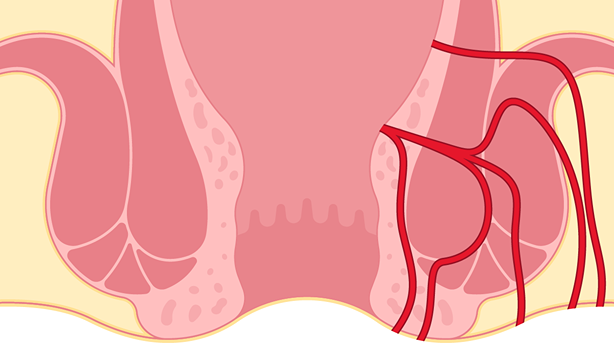
An anal fistula is an abnormal tunnel-like connection between the inner lining of the anal canal and the skin around the anus. It typically forms as a result of an infection or an abscess in the anal glands that doesn’t heal properly. These fistulas can cause discomfort, irritation, and recurring infections, often leading to symptoms like pain, swelling, bleeding, or discharge around the anus. It is quite common to have on-and-off periods of symptoms, and fistulas range from simple to complex. For those who engage in anal sex, douching and sex itself can cause anal fistulas and/or gland irritations. You can learn more about how here.
What Is an Anal Abscess?
An anal abscess is a collection of pus around or in both the musculature and/or soft tissue of the anus. It can vary in size, duration, and location, with 50% of abscesses developing into an anal fistula. Many people confuse these with hemorrhoids, and a delay in diagnosis or a misdiagnosis can lead to significant complications, specifically if it’s STD related.
Anal Abscess & Fistula Causes
Anal abscesses are caused by a malfunctioning gland. The gland backs up and the fluid finds its way into the tissues to an exit near the anal opening. These are usually just the luck of the draw, but can occur from inflammatory bowel disease (IBD), as well as anal intercourse. Aggressive enema use from preparing for receptive anal intercourse, and STDs, can also be the culprit. Most anal fistulas are the result of an infection in an anal gland that initially presented itself as an abscess and subsequently spread to the skin.
Anal Abscess & Fistula Symptoms
Anal abscesses are generally associated with a throbbing pain that worsens when sitting. Discharge of pus or blood, constipation or pain with defecation, or anal skin irritation may also be present. An anal fistula is associated mostly with discharge and mild localized skin irritation, along with a hardened tract leading towards the anal opening. This sometimes looks like a large pimple on the exterior aspect of the anus or buttocks.
Anal Abscess & Fistula Diagnosis
Most anal abscesses and fistulas can be diagnosed by visual inspection. An anoscopy is usually deferred during the abscess period due to significant pain in the region and the need for drainage. Once a fistula develops, a full anoscopy may be performed in order to localize the internal connection and/or make sure no other pathology is associated.
Anal Abscess & Fistula Initial Care
The appropriate initial regimen to treat an anal abscess or fistula consists of:
- Over-the-counter stool softeners, such as Colace, three times daily
- Over-the-counter fiber supplements, such as Metamucil
- Sitz baths, using over-the-counter epsom salts
- Boosting your fiber intake with choices such as grains and whole-grain products, fruits, vegetables, legumes, nuts, and seeds
- Increasing your overall water intake to 8-12 ten ounce glasses per day
- Refraining from caffeinated beverages, as they tend to cause dehydration
- Keeping the anal area clean and dry. Wash gently with warm soapy water, and pat dry. Also, consider using something like an isotonic douching solution.
- Limiting the use of toilet paper, as wiping causes local inflammation. Please refrain from using baby wipes or medicated pads.
- Antibiotics for most anal abscesses, and sometimes for fistulas due to local inflammation
Anal pathology takes time to heal. You can imagine that every time it is attempting to improve, another local trauma or bowel movement occurs. Do not try to avoid having bowel movements, and try not to get frustrated as you work on the above
SURGICAL ANAL FISTULA TREATMENT
Surgical Evaluation & Procedure Basics
- Most anal abscesses require in-office drainage; some may need monitored anesthesia in an ambulatory setting.
- Drainage has a 50% chance of resolving the abscess and a 50% chance of resulting in a fistula.
- Strategic drainage helps specialists better locate a fistula if one develops post-procedure.
- Anal fistulas generally require surgical intervention and are categorized as either simple or complex.
- Simple fistulas are often treated with a fistulotomy, where the tract is opened to heal from the inside out.
Advanced Surgical Options & Follow-Up
- Complex fistulas may be treated with the LIFT procedure, which ligates the internal tract and removes the remainder.
- If an abscess and tract are present at surgery, a seton drain may be placed to mature the tract before further intervention.
- Setons may be followed by a LIFT procedure or a cutting seton, which gradually pulls through the muscle, preserving muscle function.
- Additional options include fibrin glue or an anal fistula plug, though these methods have lower success rates.
- We provide anal fistula surgery at our New York City location—contact us today to schedule your consultation.
Not sure if you need surgery?
Simple and complex fistulas call for different surgical approaches. We’ll determine whether fistulotomy, LIFT, a seton, or a plug is the right fit for your anatomy.
ANAL FISTULA RECOVERY EXPECTATIONS
While healing times vary based on the type of procedure and your body’s response, most patients follow a general recovery timeline:
- Days 1–3: Expect consistent pain and irritation around the surgical site.
- Weeks 1–2: Discomfort often peaks during bowel movements. Mild bleeding or pus-like drainage is normal and can be managed with gauze if needed.
- Weeks 6–8: Most patients experience substantial healing by this point.
- After 2 Months: Anal play or bottoming may gradually resume with your provider’s guidance.
After 3 Months: Anal sex is typically safe to resume once fully healed.
Recovery by Fistula Type
Simple Fistulas
After a fistulotomy, the open wound requires attentive care to promote healing:
- Keep the area clean using warm water or a bidet.
- Use any prescribed suppositories or topical medications as directed.
- Some discharge (mucus or pus) may continue for up to four weeks.
Follow-Up Milestones:
- Week 4: Healing will be evaluated; topical agents may be applied during the visit.
- Week 8: Full internal assessment; if recovery is on track, guided anal play (e.g., with dilators) may be introduced.
Complex Fistulas
If a seton drain was placed, recovery may occur in stages:
- The drain helps stabilize the area and reduce inflammation before final surgical closure.
- Healing timelines and care routines are similar to those for simple fistulas, with additional follow-up tailored to the complexity of the case.
Discuss Recovery With Our Team
Want to understand your recovery before committing? We’ll walk you through procedure options, healing timelines, follow-up care, and when you can safely return to sex.
Preventing Anal Abscesses & Fistulas
Most of the time, this is a coin toss. It’s really the luck of the draw, so don’t stress too much about preventing fistulas. But in the bottoming world, less preparation is preferred. Anal douching can be a culprit because it irritates the anal glands. So when you do, remember: less force and less distention. What goes in, should come right back out. Also, STD prevention and/or early treatment is imperative since we do know these can increase one’s chances of having an anal abscess develop.
The other key component is to understand what an anal abscess or fistula is, and be seen by a surgeon with the knowledge to support our community. Sometimes the irritation one feels during anal play is actually the beginning of developing these issues. With early evaluation, a simple surgical correction can be initiated before the complexities develop. And lastly, remember to have a yearly anal external and internal evaluation by an experienced team.
Case Study
A few weeks ago, I wound up having receptive anal intercourse with a random guy I met on Grindr. I prepared with a Fleet enema and since I am on PrEP and have local irritation from condoms, we barebacked. It was amazing sex. We hit it off and plan on seeing each other again, but after a few days, I started to have anal pain and swelling on the outside of my anus. It really looked like a big red pimple.
I knew something was wrong and decided to go to my primary doctor. He quickly sent me to an anal specialist, Dr. Goldstein at Bespoke Surgical, where an anal abscess was diagnosed and may have stemmed from bacterial irritation from the enema or just raw friction. It was drained in the office and later found to be a bacterial infection. I was placed on antibiotics and anti-inflammatories.
I was relieved when everything subsided, but then a few weeks later, I noticed, at the exact spot where the doctor made the incision, both continued drainage and a pimple that had formed (I was told there was a 50/50 chance that this may happen). I made a follow up appointment and was told the abscess had developed into an anal fistula, which is like a tunnel that connects an internal gland to the external skin of the anus. Clearly, this is not sexy and it halted my anal play completely, and would require surgical correction, but I am so thankful Dr. Goldstein was understanding of my situation and was able to get me riding once again.
Supporting LGBTQ+ Patients
We provide sex-positive, anatomy-aware care that respects your identity and lifestyle. For patients who engage in receptive anal sex, preserving function is a priority throughout your recovery. Our team is here to support your healing journey—without shame or compromise.
Ready for answers?
Book a private anal fistula surgical consultation.
Our team will review your registration and contact you within 24 hours to schedule the right appointment.
Prefer to speak with us? Call (212) 206-1501 today!


Client Testimonials
NEW YORK
44 East 12th Street, Suite MD1
New York, NY 10003
Phone: (212) 206-1501
Email: info@bespokesurgical.com
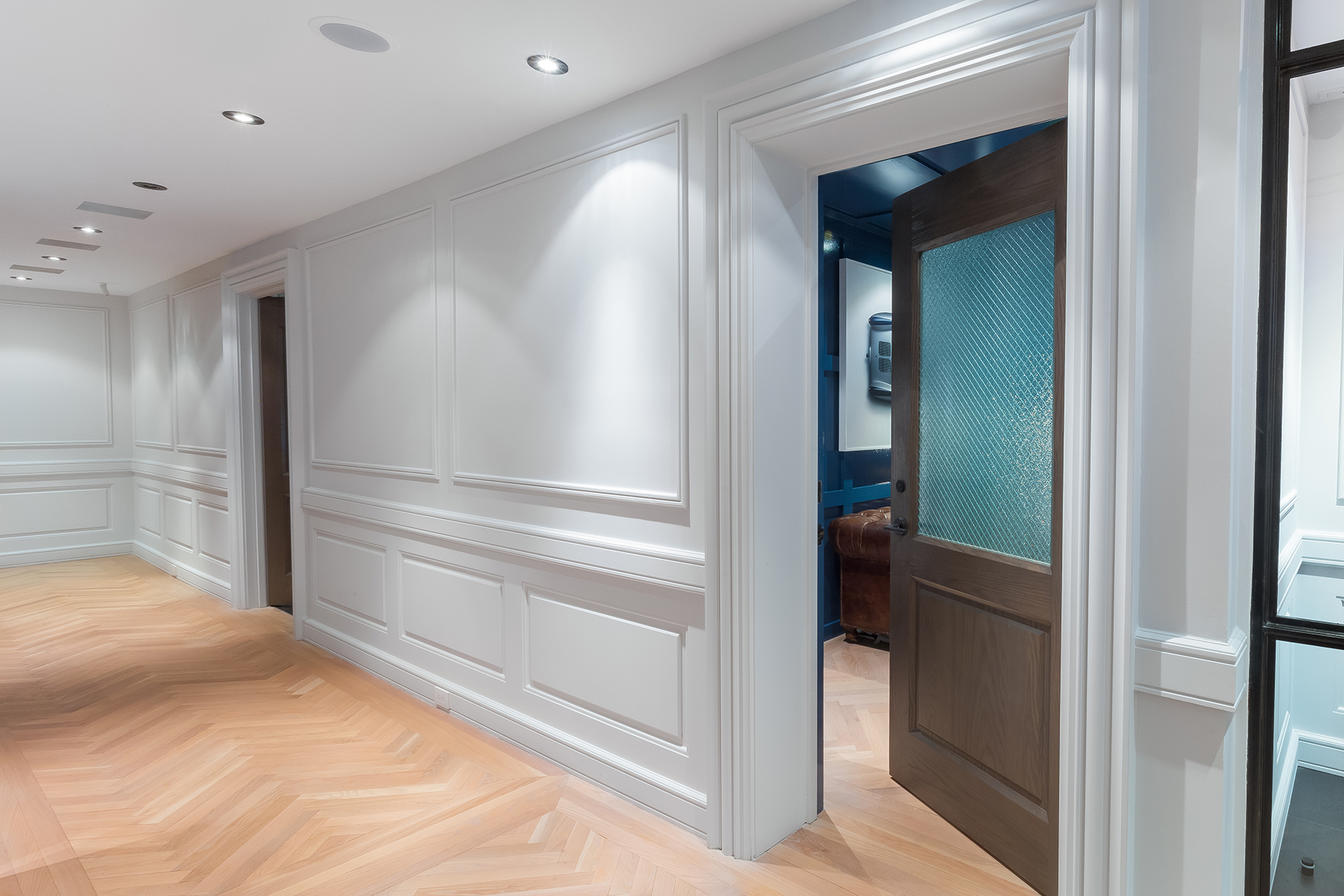
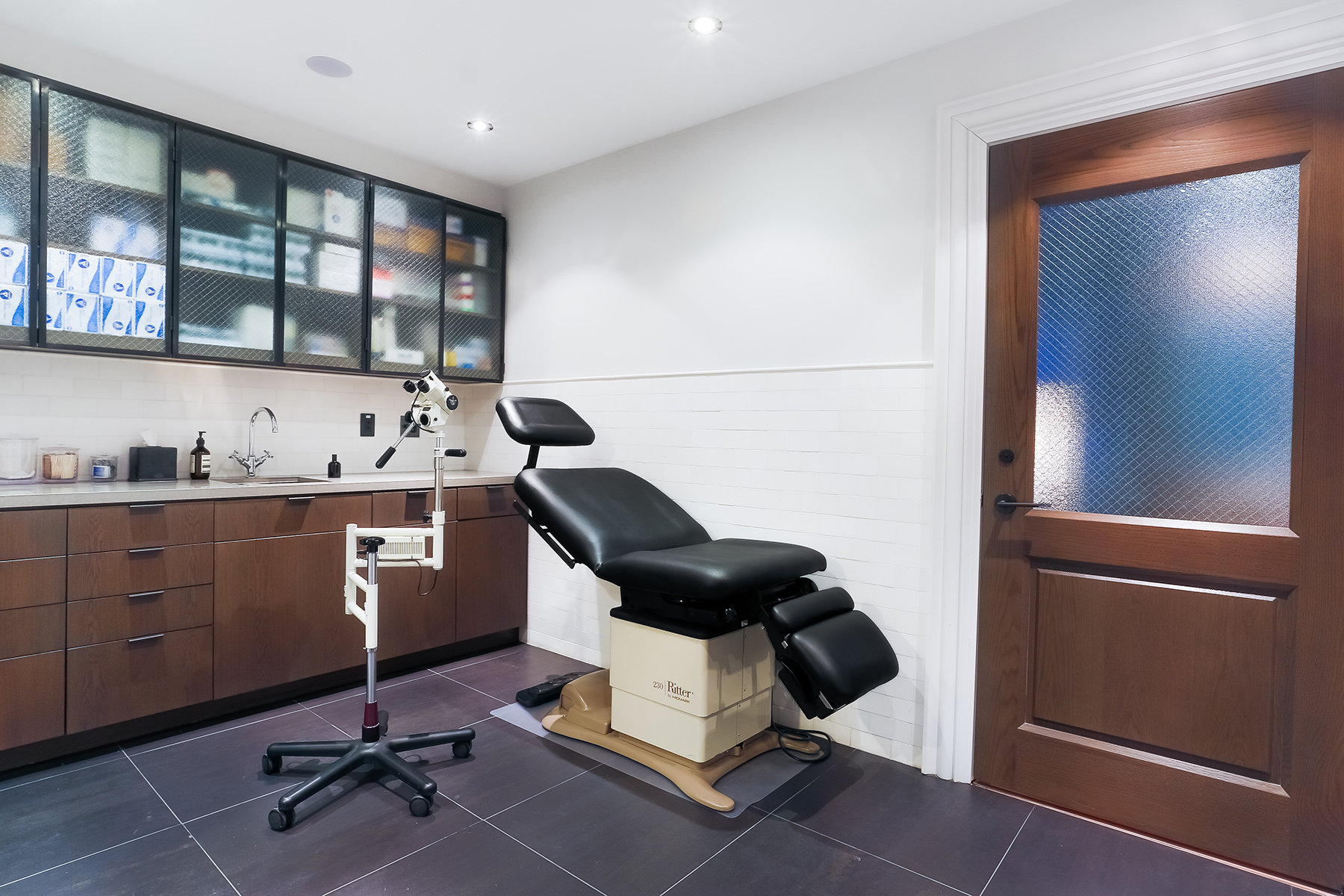
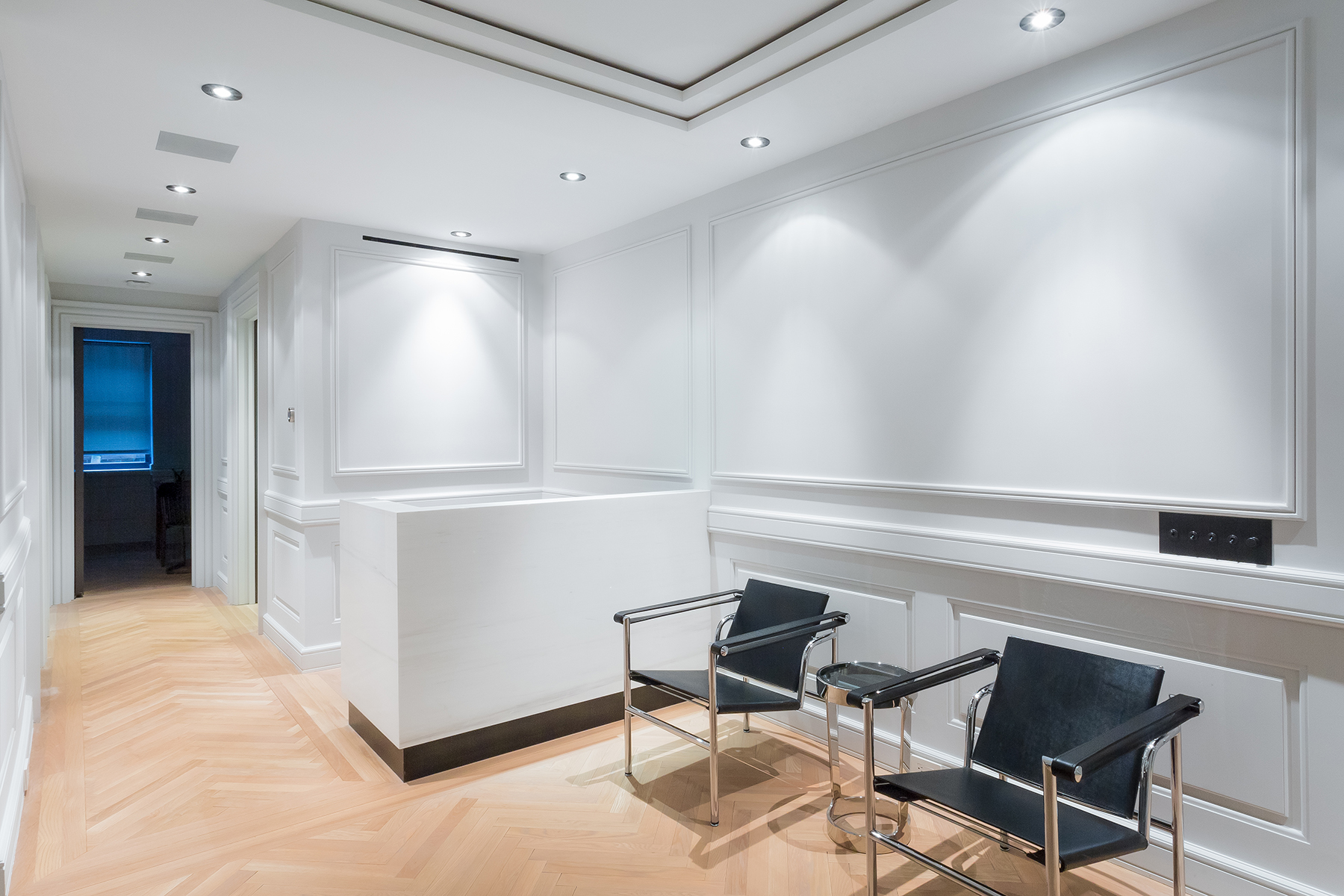
Bespoke Surgical is located in Manhattan, in the Greenwich Village neighborhood, and easily accessible by car or public transportation.
For patients with questions outside of normal business hours regarding post-surgical care, trying anal play, or irregular bowel movements, please reference our after-hours support guide for more information. Those patients who feel as though they’re having a more serious medical emergency should immediately call 911.
Can an anal fistula heal without surgery?
Usually not. An anal fistula is a tunnel that stays open, so most fistulas need surgery to close for good. Stool softeners, fiber, sitz baths, and antibiotics can calm symptoms, but they don’t remove the tract. Drainage can also stop for a while and then return as another abscess or flare. Fistulas linked to Crohn’s disease are the main exception, since medical treatment often comes first. If you have recurring drainage, swelling, or pain, book an evaluation to find out whether a fistulotomy, LIFT procedure, or seton fits your anatomy.
How long is anal fistula surgery, and is it painful?
Anal fistula surgery typically lasts between 30 minutes to an hour, depending on the complexity of the fistula. The procedure is often done under general or local anesthesia, so you won’t feel it, and may involve techniques like fistulotomy or seton placement. Your surgeon will choose the approach that minimizes risks and promotes effective healing. Most patients can go home the same day after outpatient surgery. Afterward, expect constant pain and irritation for the first two to three days, with discomfort that peaks during bowel movements in the first one to two weeks. Prescribed pain medication, fiber, water, and sitz baths keep most people comfortable.
Will anal fistula surgery affect my bowel control or receptive anal sex?
Any fistula surgery carries some risk to bowel control, and the risk grows with the amount of sphincter muscle the tract crosses. A fistulotomy divides a small amount of muscle when it’s safe to do so. The LIFT procedure and staged treatment with a seton are chosen when preserving more muscle matters. For patients who bottom, we plan around keeping as much muscle as possible and set a clear timeline for returning to anal play. Tell us your goals at the consultation so we can match the procedure to them. If you notice leakage after surgery, call us.
How much does anal fistula surgery cost, and does insurance cover it?
The cost depends on the type of procedure, whether your fistula needs a staged approach with a seton, and the setting and anesthesia used. During your initial consultation, the doctor will share a cost estimate for your procedure based on either your insurance coverage or if you are self pay. You will receive an email as well with the cost estimate so you can decide whether to move forward. Bespoke Surgical works only with out-of-network commercial insurance plans, so we aren’t in network with any commercial insurer. The surgical center and anesthesiologist are independent of Bespoke Surgical and will provide their own cost estimate prior to surgery taking place. To discuss pricing and coverage for your situation, book a consultation or call (212) 206-1501.
What are anal fistula symptoms?
Anal fistula symptoms often include pain, swelling, or irritation around the anus. You might notice pus or blood discharge from a small opening near the anus, as well as discomfort during bowel movements. In some cases, recurrent infections or abscesses may develop.
What is the anal fistula surgery recovery process?
Full recovery from anal fistula surgery generally takes about three months, and most patients have healed substantially by six to eight weeks. Expect some mild pain, swelling, or discharge initially, which can be managed with prescribed medications and sitz baths. Keeping the area clean and following your post-operative instructions supports healing. Around two months after surgery, anal play can gradually resume with your surgeon’s guidance. At the eight-week visit, we do a full internal assessment, and if recovery is on track, we introduce guided anal play with dilators. Anal sex is typically safe after about three months, once you’re fully healed. Complex fistulas treated in stages come with additional follow-up, so your timeline may differ.
How long will I have drainage after anal fistula surgery, and what is normal?
Some bleeding or pus-like drainage is normal for the first one to two weeks, and after a fistulotomy, mucus or discharge can continue for up to four weeks. A gauze pad over the area absorbs it. Call us if drainage or pain increases, if redness or swelling spreads, if you have a fever of 100.4°F or higher, or if you have trouble controlling bowel movements. After hours, use our after-hours support guide. Call 911 for a medical emergency.
Can an anal fistula come back after surgery?
Yes, it can. Recurrence depends on the type of fistula and the technique used, and a drained abscess can also return as a fistula. According to American Society of Colon and Rectal Surgeons patient guidance, fistulotomy has a long record of high success, in the range of 92 to 97 percent, while glue and plugs have lower success rates. Keep your follow-up visits, and if drainage, pain, or swelling returns, call us promptly instead of waiting.
Blog
General
Would You Let AI Replace Your Partner, Doctor, or Therapist? [A Survey]
Artificial intelligence has quickly become part of everyday life. Increasingly, it’s also becoming part of...
General
What’s Your Number? The Average Number of Sexual Partners by State in 2026
Five years ago, Bespoke Surgical asked Americans a question that almost everyone has been asked...
General
The Average Penis Size in Every State
Penis size is one of those topics that manages to be everywhere and nowhere at...
Dr. Evan Goldstein, D.O.
Dr. Evan Goldstein is the Founder and CEO of Bespoke Surgical, NYC’s leading sexual health private practice. He received his osteopathic doctorate from the University of Medicine and Dentistry School in 2002 and completed his residency in General Surgery at Maimonides Medical Center. In 2020, he was named one of NYC’s top LGBTQ+ business leaders by Crain’s New York and he is involved with GLSEN, ACRIA, HRC, and Callen-Lorde’s Howard J. Brown Society. All of these experiences and affiliations have shaped his whole-life approach towards the practice of private surgical care and sexual wellness.
Dr. Evan Goldstein’s NPI record
This page was medically reviewed by Dr. Evan Goldstein on October 23, 2026.
References:
- https://fascrs.org/patients/diseases-and-conditions/a-z/abscess-and-fistula-expanded-information
- https://www.urmc.rochester.edu/encyclopedia/content?contentid=173&contenttypeid=134
- https://www.mayoclinic.org/diseases-conditions/anal-fistula/symptoms-causes/syc-20352871
